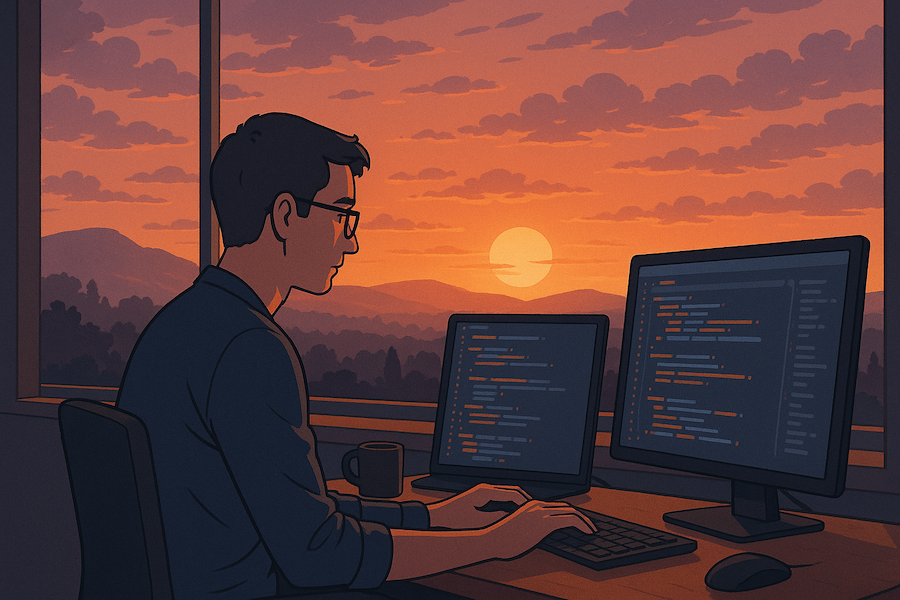
With the rapid advancement of AI and the rise of tools like Cursor and Windsurf, the concern about AI replacing software engineers is growing. But if AI truly takes over software development, what would the industry look like? More importantly—will we even need programming languages?
What Are Programming Languages?
Programming languages were created to help humans communicate with machines using a format that's easier for humans to understand. Without them, building modern applications would be far more complex and time-consuming. You can read more about the history of programming languages here.
How AI Writes Code Today
Thanks to advancements in AI, we can now complete basic programming tasks just by describing what we want in natural language. These models generate code that any developer can read and modify—because programming languages are still at the core of how software is made.
For now, this system works. But looking to the future (hopefully not too soon 😅), will we still need programming languages at all? What if we could just tell the machine exactly what we want, and it generates code in a format only it can understand—completely skipping the compilation step?
That idea made sense to me for a moment. Until I posted a video about it on Instagram and got some thoughtful responses. Some people said yes, it's possible. Others firmly believed it could never happen. And honestly—I get both sides.
The Why: Why Programming Languages Might Still Matter
There are several reasons why the idea of getting rid of programming languages may not work out.
1. Trust Issues
Even if AI becomes extremely intelligent, would we really trust it enough to build and run critical systems without human oversight? Personally, I wouldn't—not completely.
2. It’s Expensive
Training AI is extremely costly, both in terms of computing power and data. And training it on data you don’t fully understand? That’s risky.
3. Debugging Becomes a Nightmare
If we can't read or understand the underlying code, how do we know if it's working as intended? Worse, how do we find and fix hidden issues?
So, do we still need programming languages? Yes—and that means we’ll also still need software engineers. Not just to write code, but to review, debug, and improve the code AI produces. We’ll also need engineers to guide AI systems, define constraints, and ensure reliability.
So what will our job look like 10 to 15 years from now (in my opinion)? Well... that’s a topic for another post. 😉